1. Accounting for actual dimensions and physical properties
The prototype illustrates the approach of virtual
fitting in motion, performing a simple visual
combination of images followed by animation.
The real product will accurately digitize the
human body to understand its physical
dimensions and then compare it with real clothes
digitized for the project in order to offer only
what really fits the size. And this will be one
of the key points.
2. Style component
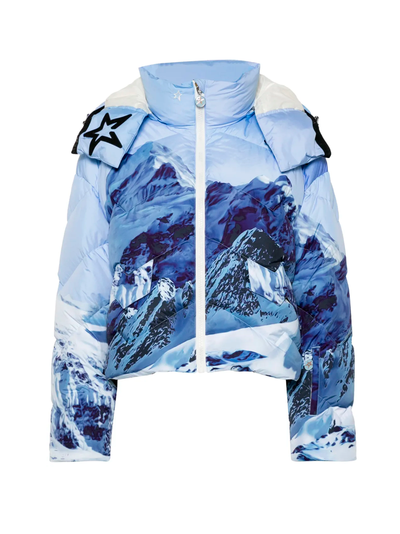
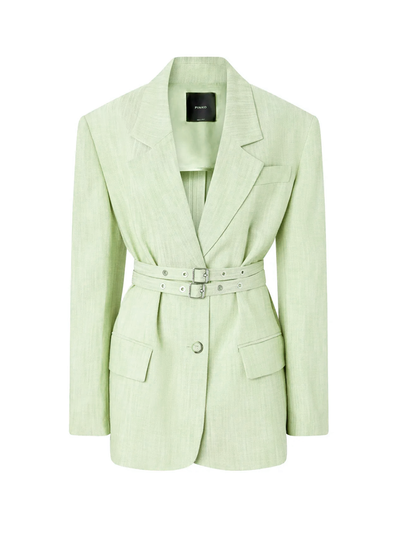
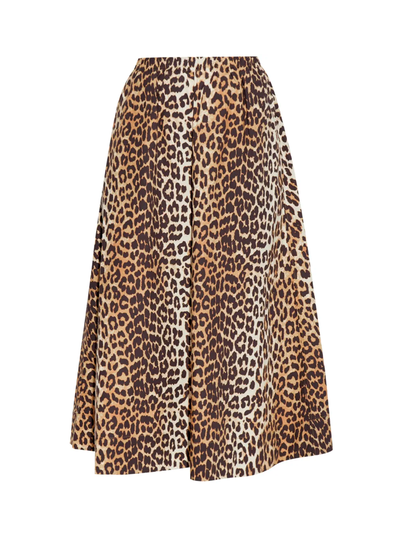
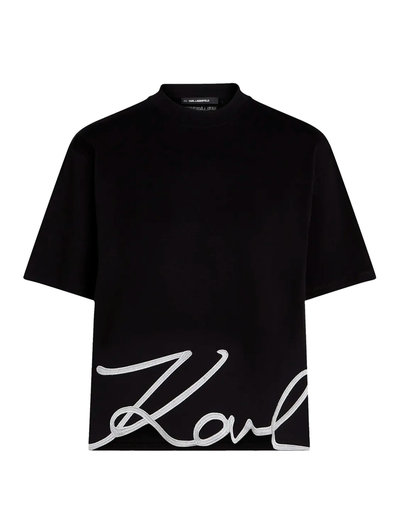
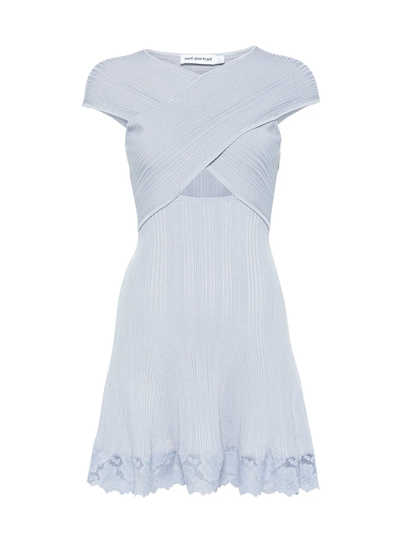
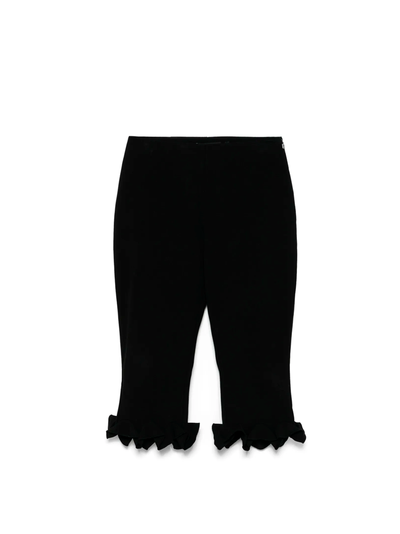
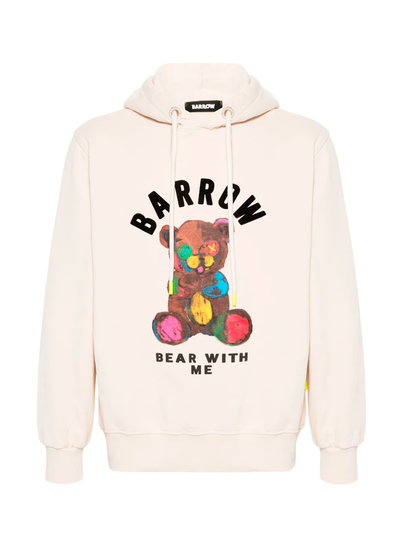
The prototype is not a stylist. We have digitized
a small amount of clothing in advance, but their
combinations are not optimal, as are the
recommendations for a particular person, taking
into account his personality.
The real product will have a powerful AI layer
for configuring perfectly matched items
of clothing from the marketplace catalog,
not only in size, but also in style for a particular
person, taking into account the cultural
references of his environment.
3. SKU, the catalog size
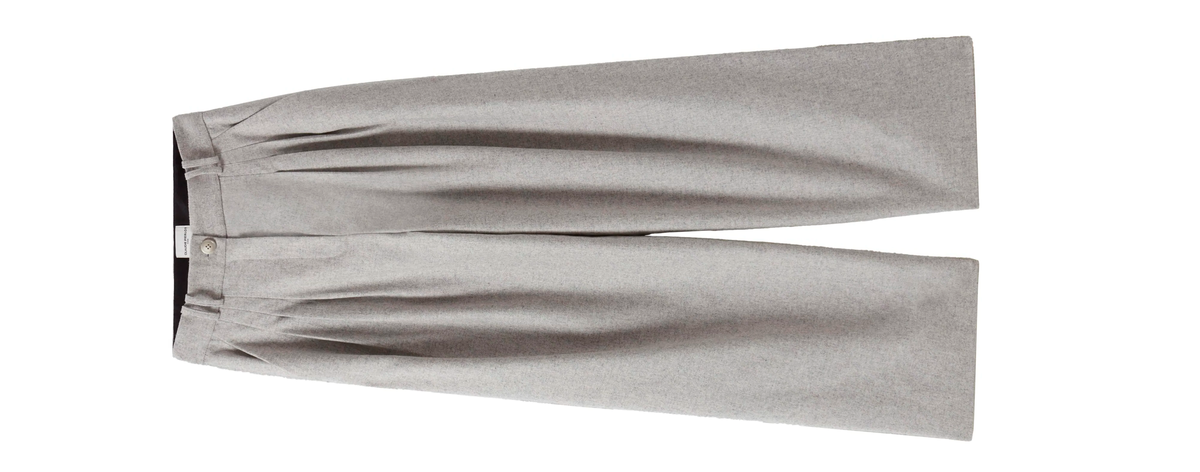
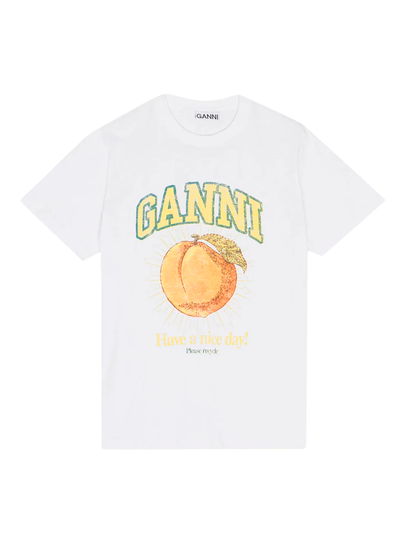
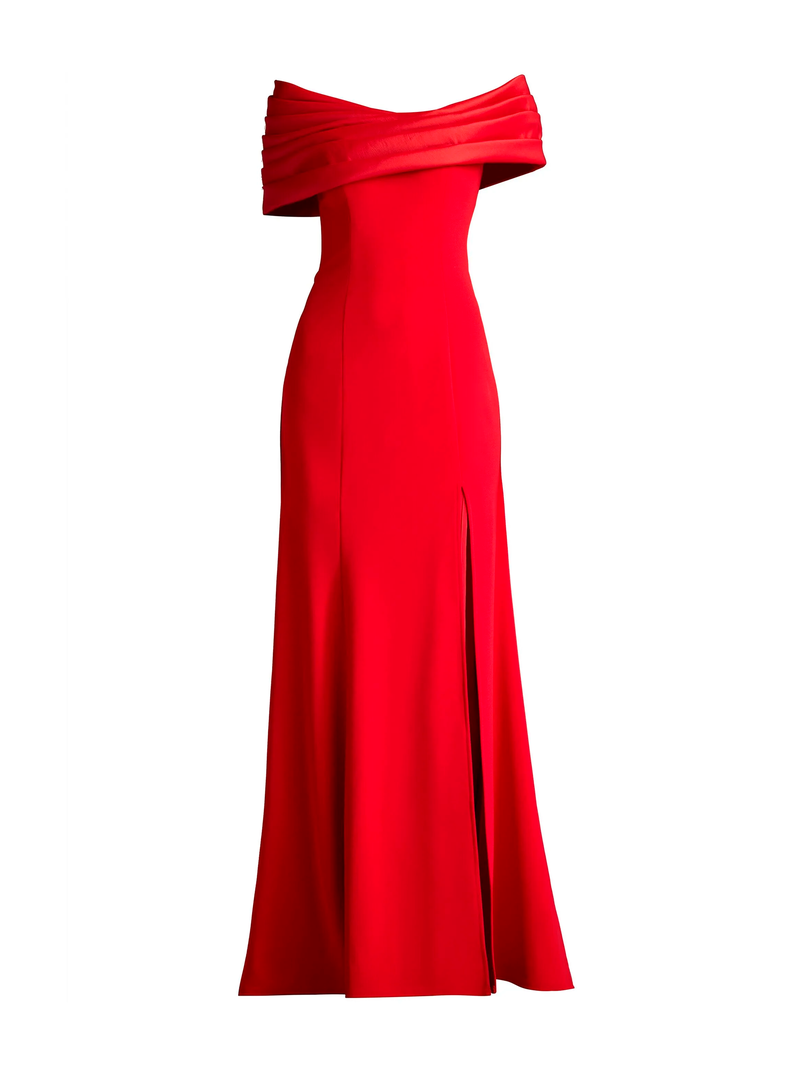
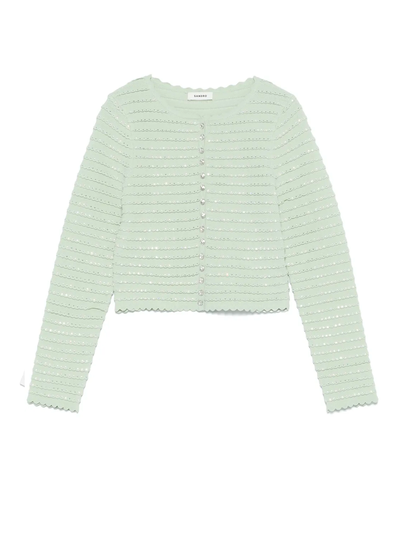
The prototype now operates with a very modest
number of items of clothing — up to 20 units.
The real product will contain millions SKU of the
digitized assortment. The goal is to create one
of the largest clothing marketplaces in the world,
presenting consumers with the widest possible
range of brands from the most famous
manufacturers such as Inditex, H&M, Nike, LVMH,
Kering, PVH, etc., to local local players.
4. Just clothes
The prototype uses only one or two items
of clothing at a time.
The real product will be able to work in combinations
with many elements of clothing, and even in layers
(T-shirt, shirt, suit and coat) + in different shapes
(open / buttoned clothes). In addition to clothes,
shoes, bags, underwear, hats and accessories will be
presented for virtual fitting and real purchase.
5. Scaling
The prototype is not scaleable (!),
it is assembled from existing disparate third-
party solutions, including licensed and some
open-source ones.
The real product will require resources to create its
own powerful AI-core engine and the availability
of serious computing power, especially at the stage
of increasing workload.
Having your own technology is a barrier against
potential competitors to enter the market.
6. Purchase
The prototype doesn't sell, it can't be bought.
The real product is international shipping from
the largest multibrand clothing marketplace
in the world.